Caring for a baby bird can be a delicate and rewarding experience, but it also requires attention, warmth, and the right environment to help it survive and grow. If you’ve found yourself responsible for one, here are some essential tips to guide you.
1. Create a Safe and Warm Space
Place the baby bird in a small, well-ventilated box lined with soft material like sawdust. This helps keep it comfortable and mimics the warmth of a nest. Make sure the box allows airflow but still feels cozy and secure.
2. Keep Them Away from Cold Air
In places like the Maldives, where air conditioning is common, it is important not to keep baby birds in cold rooms. Chilly environments can weaken them quickly. Keep them in a naturally warm area, away from direct AC airflow.
3. Feed the Right Way
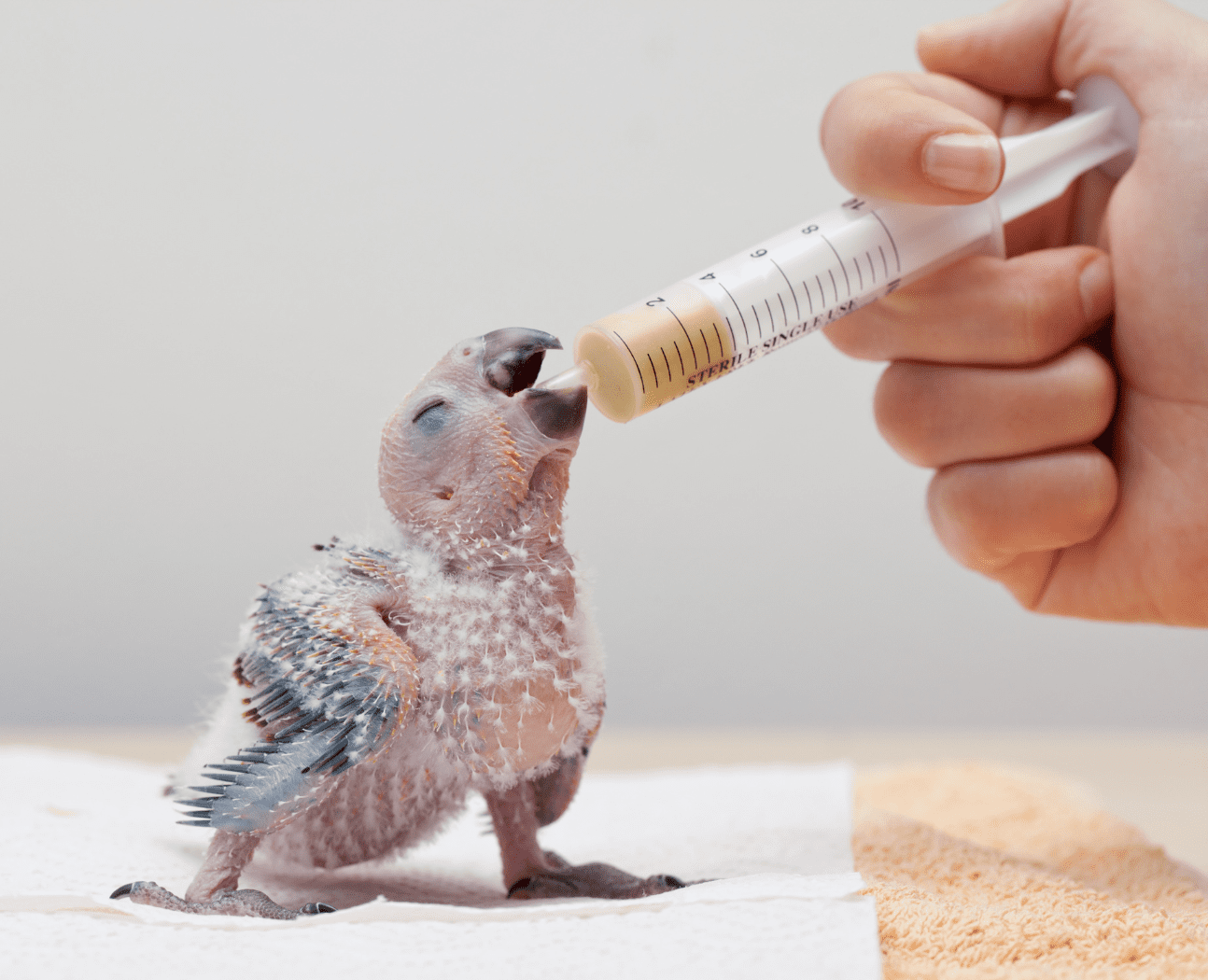
Use a proper hand-feeding formula designed for baby birds. Feed them using a small syringe or spoon, ensuring the formula is neither too hot nor too cold. The consistency should be smooth, not too thick or watery, to avoid choking or digestion issues.
4. Avoid Harmful Fumes and Smells
Baby birds are extremely sensitive to air quality. Never place them near kitchens, stoves, or cooking areas. Strong smells and fumes can be fatal. Similarly, avoid exposing them to perfumes, body sprays, or any aerosol gases, as these can cause serious breathing problems.
5. Feed Regularly and Check Fullness
Feed the baby bird about 3 to 4 times a day, depending on its size and species. Do not overfeed. You can gently check if the bird is full by looking at its crop, which is a small pouch at the front of the neck. After feeding, the crop should look slightly rounded and feel soft, not tight or overly stretched. If it is still flat, the bird may still be hungry. Always clean feeding tools after each use.
6. Maintain Cleanliness
Keep the box clean and dry. Replace the bedding regularly to prevent infections. Hygiene is crucial for their survival.
7. Minimize Handling
While it’s tempting to hold them often, too much handling can cause stress. Only handle the bird when necessary, such as during feeding or cleaning.
8. Observe Their Behavior
Keep a close eye on the baby bird. Signs like weakness, lack of appetite, or breathing difficulty may indicate a problem. Early attention can make a big difference.
9. Weaning Advice
As the bird grows, it will gradually transition to solid foods. Slowly introduce small bits of appropriate seeds, soft fruits, or specialized bird food once it begins showing interest in pecking and self-feeding. This should be done gradually while continuing hand-feeding until the bird can eat independently.
10. Seek Expert Help if Possible
If you’re unsure about anything, it is always best to consult a vet or someone experienced in bird care. Professional advice can help ensure the bird’s health and safety.
Taking care of a baby bird requires patience, gentleness, and consistency. With the right care and environment, you can give it a strong chance to grow healthy and eventually thrive on its own.